Hotoffersdaily started with two chiller bags and a borrowed van in 2019. The idea was simple enough: cook proper food in one place, get it to people who do not have ninety minutes to spare at the end of the day. Six years later the kitchen is bigger, the van is not borrowed, and the weekly puzzle has not changed much. What has changed is how carefully we solve it.
The ordering window closes on Thursday night
Every week runs on the same rhythm. Orders close Thursday at 11pm, and Friday morning our kitchen team pulls the numbers apart by suburb. Hamilton central, Melville, Chartwell and Rototuna all get counted separately, because a delivery run that works for one side of the river wastes diesel on the other. We would rather know that on Friday than discover it on Monday afternoon with a van half full.
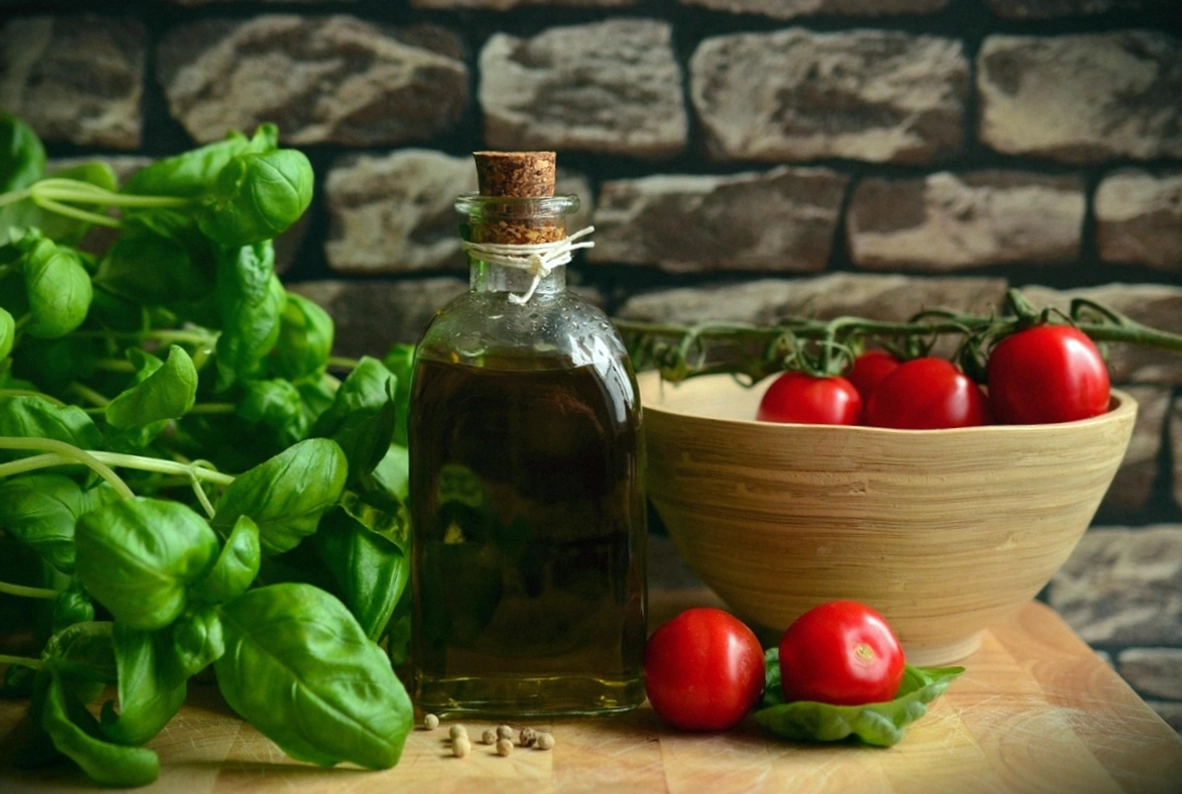
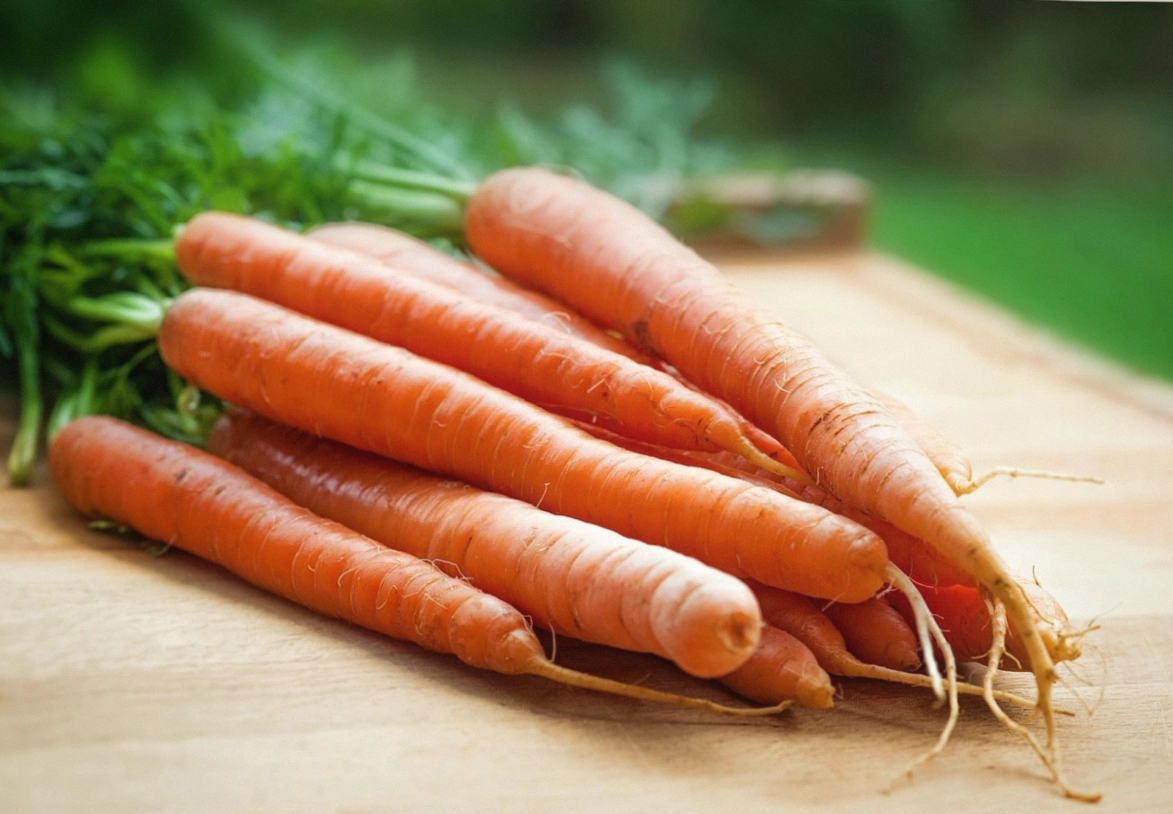
Once the counts are in, the produce order goes out. Leafy greens come from growers around the Waikato, and anything that will not survive a week in a chiller bag gets scheduled for the earlier delivery slots. That single rule, greens early, grains late, has cut our spoilage numbers by more than half since we started tracking them properly.

What a Tuesday actually looks like
Prep starts at 5:30am. By seven the first trays are cooling, and by nine the packing line is running. Everyone rotates through stations because standing at the same spot for four hours makes people sloppy. The line has six positions and a supervisor who checks temperatures, labels and portion weights at the end of every run.
The delivery window runs from 11am to 6pm. Drivers carry insulated bags and a phone number for the customer, and if nobody answers the door the bag goes back to the chiller rather than sitting on a porch in the sun. It costs us a second trip. It saves a customer from throwing away a meal they paid for.
The hardest part is not the cooking. It is guessing right on Sunday what four hundred people will want to eat on Thursday.
Tomas Bell
Head chef, Hotoffersdaily
Three things we got wrong first
We have made enough mistakes to fill a notebook, and most of them came from trying to be clever.
- We offered thirty menu items in the first year. The kitchen could not keep quality steady across that many dishes, so we cut the list to twelve rotating mains and the complaints dropped.
- We tried delivering everything in one long afternoon run. It meant the last boxes arrived at 8pm, well past dinner, and cold. Now the route is split in two.
- We let customers swap any ingredient. That sounded generous until a nut-free order came through with cashews still in the bag because a substitution was applied at packing time and not at ordering time.
Why the menu rotates instead of growing
Twelve mains sound thin until you see them change every fortnight with the season. Winter brings root vegetables and slow-cooked cuts, summer leans on tomatoes, stone fruit and lighter proteins. Rotating rather than expanding keeps the prep team sharp on the same techniques and keeps the ingredient list short enough to buy well.
It also means we can tell you exactly where the chicken came from, which grower supplied the spinach, and how long the grain bowl has been in the chiller. That is harder to do when a kitchen chases a menu of fifty items.
What we measure every week
Four numbers sit on the kitchen wall, updated every Friday. They are not glamorous but they keep us honest about whether the food side of the business is actually working.